Boat lifts · Guide 5 of 6 · The hull
Mark 5 · Below the waterline
Antifouling and the water
The NSW Environment Protection Authority says antifouling paint is a registered pesticide, so it must be an approved product, used exactly as its label directs, and kept out of the waterway. Transport for NSW adds that antifouling should be removed and reapplied only with the boat out of the water, preferably at an accredited shore-based maintenance facility.
General information from NSW and Victorian sources, not environmental or legal advice. The NSW EPA, EPA Victoria and your state’s environment regulator are the places to check.
5.1
A registered pesticide
Why hull paint is treated as a pesticide
Antifouling is applied to a hull to delay the build-up of marine growth. The NSW EPA’s fact sheet explains that, like every pesticide sold in Australia, each antifouling product needs approval and registration from the national regulator, the Australian Pesticides and Veterinary Medicines Authority, and that registration covers its label directions. In NSW only registered pesticides may be used, unless the authority grants a permit, and the Pesticides Act 1999 requires users to follow the label.
EPA Victoria names what it can contain. Its marina page lists the copper and tin compounds used in antifouling paints among the heavy metals and chemicals that boat upkeep relies on and that put the environment and health at risk. It explains that heavy metals settle into sediments and stay there until something such as dredging disturbs them, and that they build up in aquatic life, so lead, zinc and copper in shellfish can reach levels that are unsafe to eat.
The banned one
Organotin antifouling paints, including those containing tributyltin (TBT), are no longer registered in Australia: the NSW EPA says registrations were cancelled in 2003 and using them is illegal. Older boats, or boats arriving from overseas, may still carry TBT paint; scraping it falls under the EPA’s chemical control order on organotin wastes, and handling those wastes needs an EPA licence.
5.2
In or out
Where each kind of cleaning belongs
Transport for NSW’s fact sheet on cleaning boats, written under the Marine Pollution Act, splits the advice by where the boat lives.
| The boat | What the fact sheet advises |
|---|---|
| Stored on land | Easy to wash down regularly. Clean it at a commercial car wash or, where that is not possible, somewhere the runoff cannot reach stormwater or a waterway. |
| Kept in the water, not antifouled | Wipe or brush slime off submerged surfaces in the water, ideally every 6 to 12 months; scrape or water-blast larger growth such as barnacles out of the water, ideally every 12 to 24 months, where the debris can be caught. Scraping straight into the water is never acceptable. |
| Kept in the water, antifouled | In-water cleaning is not a substitute for renewing antifoul. Maintenance, removal and reapplication should wait until the boat is out of the water, and so should removing larger growth that could dislodge the paint. |
The fact sheet also says owners must use antifouling products approved in Australia, follow the manufacturer’s instructions, and should choose low or non-phosphate biodegradable cleaners and keep them out of the water. It notes that on-the-spot fines apply for polluting waters. NSW Crown Lands does not allow floating air docks or dry docks for antifouling or storing boats on Crown waterways; why is set out in boat lifts and jetties in NSW.
5.3
On the hardstand
Keeping paint out of the water at the slipway
The NSW EPA’s fact sheet, written for anyone handling antifouling paint or applying it to boats, lists ways to keep it out of the waterway:
- store paint in labelled containers in a covered, secure, bunded area;
- do not spray in high wind;
- paint on a hardstand over a catch drain so all waste is captured, and bund the areas where chemicals are prepared;
- do large-scale removal or sanding in an enclosed shed on a hardstand;
- lay a tarpaulin on the slip rails, and put a floating boom around the slipway;
- avoid working over tidal areas;
- never pour leftover paint down a drain or into a waterway: seal it in a container for a chemical waste collector.
Where a shore-based facility is not practicable, Transport for NSW says you must take reasonable steps to contain and dispose of the residue, with vacuum sanders and drop sheets as the absolute minimum. Before careening a boat to clean it, it says to check with the council or consent authority.
Records, for paid work
Under the NSW Pesticides Regulation, people who apply pesticides in the course of their work or business must record each antifouling application within 48 hours, including the product, the amount, the vessel registration and the date, and keep the record for three years. The EPA’s sheet dates from December 2017, so check the EPA’s page for anything newer.
5.4
Other ways to keep a hull clean
Boat bags, and boats kept out of the water
Some owners consider a boat bag to protect the hull. Transport for NSW says boat bags are prohibited on moorings held under a Transport for NSW mooring licence, and that where a bag is approved in a marina or at a private berth, no chemical may be put in it to discourage growth.
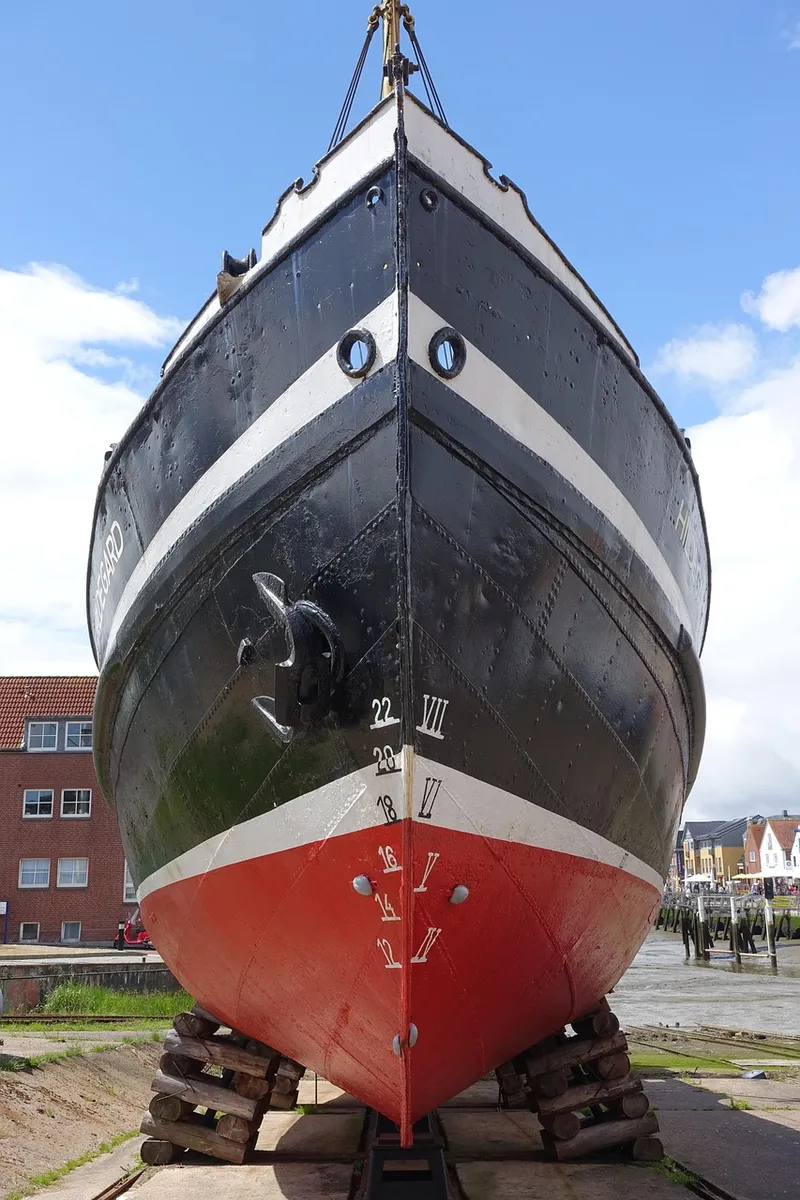
The same fact sheet notes that boats regularly taken out of the water and stored away from it are easy to reach for washing down, and that regular washing reduces and largely prevents marine growth. Whether a lift or cradle is allowed on your waterfront is a separate question, answered state by state in approvals for waterfront structures.
5.5
Victoria, and reporting
The general duty in Victoria, and reporting pollution in NSW
Victoria’s general duty
EPA Victoria says that under the Environment Protection Act 2017 and its 2021 regulations, marina and vessel operators must minimise the risk of harm from pollution and waste so far as reasonably practicable. It is an offence to discharge waste from a vessel into surface or marine waters except in some specific circumstances, and in-water hull cleaning for pest management can raise bacteria and nutrient levels.
Who to tell in NSW
Transport for NSW says pollution coming from a boat on the water should be reported to Transport for NSW. Pollution from a marina, a land-based facility or a boat on the slips goes to the NSW EPA if the facility is on the EPA’s public register of licensed premises, and to the local council if it is not. Its water pollution page lists the contacts.
Floods scatter more than paint: what they do to pontoon floats is in storm tide and flooding.